Mostrando postagens com marcador fed. Mostrar todas as postagens

sábado, 16 de maio de 2020

Alan Greenspan nas páginas antigas da New Yorker

É incrível como a New Yorker consegue fazer conteúdo de qualidade com tiragem semanal há tanto tempo. Quem aproveita somos nós. Nesses tempos tenho lido (em alguns artigos tive vergonha na cara e voltei a ler depois de um tempo tendo deixado pela metade) perfis e reportagens sobre o FED, em especial sobre os ex-presidentes de lá, escritos pelo John Cassidy.

*
Gostei muito do perfil do Alan Greenspan -- The Fountainhead: https://www.newyorker.com/magazine/2000/04/24/the-fountainhead. Algumas passagens interessantes:

"It was the beginning of the bebop era. Jazz orchestras, featuring virtuosos like Dizzy Gillespie, were starting to emerge; and some of the old swing bands were forced to update themselves. One such outfit was the Henry Jerome Band, which played regularly at the Childs restaurant in the Paramount Theatre building, in Times Square. The band's manager, who also played in its horn section, was a young law student named Leonard Garment—the same Leonard Garment who went on to become President Nixon's counsel during Watergate. Garment still recalls the day when Alan Greenspan showed up at the Paramount. "He had exactly the same face, a slightly ironic, self-measuring smile, very interior-oriented," Garment told me a few weeks ago. "I played jazz tenor saxophone. Alan came into the band and played the other tenor saxophone, and he also played the clarinet and the flute. He was very good, very solid." Greenspan stayed with the band a year, during which time it alternated between touring and playing in New York. Even on the road, he was quiet and reserved. He put his interest in numbers to good use, assisting Henry Jerome, the bandleader, with the bookkeeping, and aiding some of his fellow-players with their income taxes, always a problem for itinerant musicians. In other areas, too, he helped to keep his colleagues in line. Above the Childs restaurant was a Walgreen drugstore that had a row of phone booths. Some of the musicians used the booths to smoke marijuana, and the drugstore manager would complain to Garment. When Garment didn't have time to retrieve the miscreants himself, he would dispatch his fellow tenor sax to do the job. "I'd say, 'Alan, could you get some of those guys down here? Tell them it's time to play and to stop smoking,' " Garment recalled."

"Greenspan likes to remind people that he has been observing the United States economy on a daily basis for more than half a century. In 1948, he took a job with the National Industrial Conference Board, a New York research group financed by big corporations. One of the businessmen who called for advice about the economy was William Townsend, a veteran Wall Street bond trader. Townsend was impressed by Greenspan, and in 1953 he asked him to join his firm as a partner. The offer came with an annual salary of around six thousand dollars, not much money even then, but it was a partnership, and Greenspan accepted. The decision made his career. During the next two decades, he built Townsend-Greenspan & Company into a thriving economics consultancy, with a roster of corporate clients that included Alcoa, U.S. Steel, and J. P. Morgan. (Townsend died in 1958, but his young partner left his name on the door.)"

"The opportunity for Greenspan to prove his independence arrived quickly. Between March, 1988, and March, 1989, the Fed raised short-term interest rates from six and a half per cent to almost ten per cent, to head off inflation. The resultant recession didn't start until August, 1990, and lasted less than a year, but as 1992 approached President Bush's economic advisers grew increasingly concerned that the Fed was not cutting interest rates quickly enough to insure a vigorous recovery. Nicholas Brady, the Treasury Secretary, was an old pal of Greenspan's from Wall Street, but that didn't prevent Brady from repeatedly calling for more interest-rate cuts. The friendship between Brady and Greenspan turned increasingly sour. At one point, Brady even cancelled his weekly lunches with the Fed chairman. After Bush's defeat, some Republicans blamed Greenspan for losing them the election. (Arguably, it was the second time he had cost the G.O.P. the White House.)"

*
Aliás, lembrei dessa também: UM ÍNDIO DE MANAUS NO NEW YORK TIMES -- https://piaui.folha.uol.com.br/materia/um-indio-de-manaus-no-new-york-times/

*
Escrevendo, estive ouvindo este:
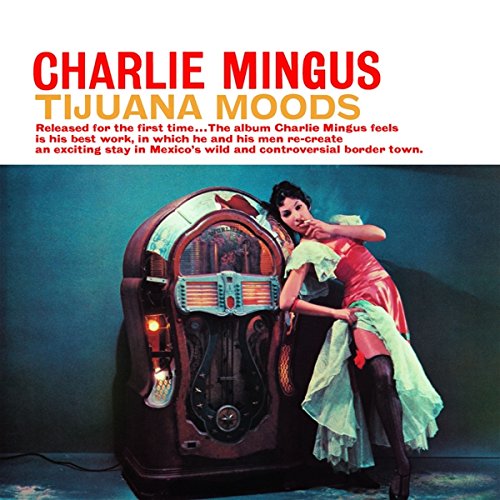
POPS DISCOS - TIJUANA MOODS(1957)CHARLES MINGUS

sábado, 9 de maio de 2020

Taxa de juros negativas (ao som de Ruben Lopez Furst)

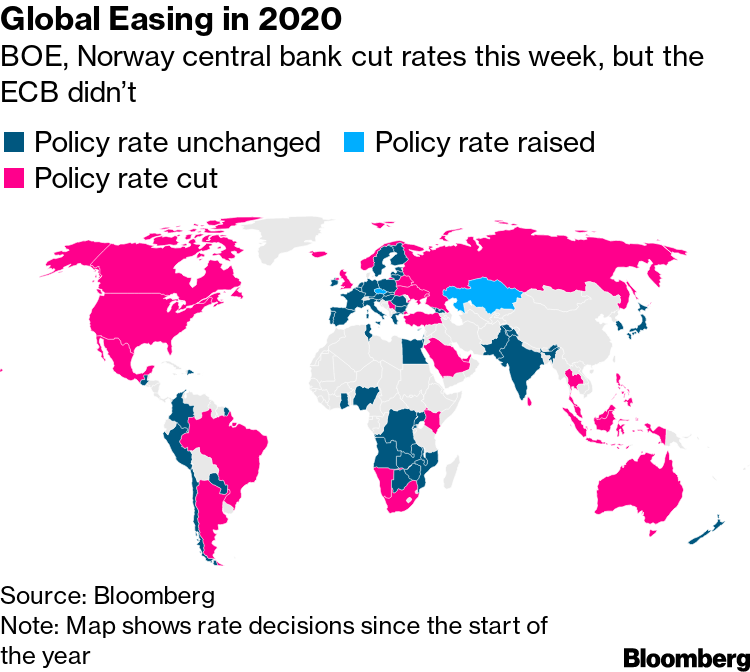
O avanço do covid-19 e o fechamento das economias fez os Bancos Centrais atuarem (e muito!) nesse começo de 2020. Esse mapinha da Bloomberg nos dá uma noção -- mesmo que desatualizado, já que março e abril foram longos meses; a China (PBC), por exemplo, cortou mais um pouco nesse meio tempo:

Charting the Economy: Central Banks Tremble at Crash of Markets ...  

No geral, os BCs optaram por cortar juros para dar um sopro de vida econômico. Outros que já tinham patamares negativos, não mudaram; é o caso do BOJ e ECB (https://www.boj.or.jp/en/mopo/mpmdeci/state_2020/k200121a.htm/ e https://www.ecb.europa.eu/stats/policy_and_exchange_rates/key_ecb_interest_rates/html/index.en.html). 

Depois de reduzir para 0-0,25% em reuniões extraordinárias, o FED manteve e comunicou que deve continuar comprando bonds, mas procura manter o patamar de juros; ou seja, território negativo, não. É o que Powell já tinha dito em outras oportunidades. 

*
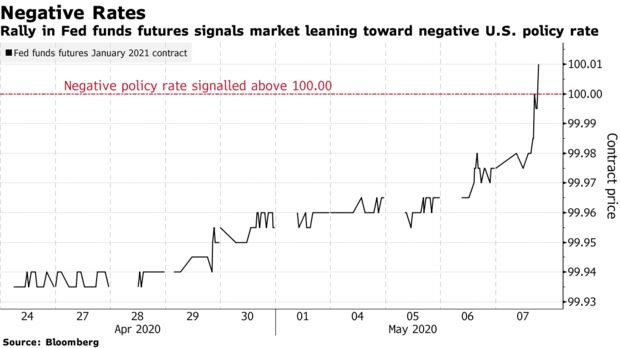
O mercado, porém, já começa a precificar taxas negativas. Os contratos futuros na Chicago Mercantil Exchange negociam a 100 - FED funds rate; nesse caso, se o nível estiver acima de 100, o mercado está precificando juros negativos (https://www.cmegroup.com/trading/interest-rates/stir/30-day-federal-fund.html). E é o caso atual:


Com os dados de desemprego assustando, a recuperação econômica se torna mais complicada, por si só. E, na última semana, o mercado passou a ajustar mesmo em telas mais próximas a referência negativa (https://www.bloomberg.com/news/articles/2020-05-07/negative-u-s-policy-rate-seen-by-early-2021-in-futures-market):

Rally in Fed funds futures signals market leaning toward negative U.S. policy rate

*
Na verdade, o mercado de trabalho assusta e muito (ao menos, não as Bolsas americanas). A capa do NYT de hoje:

*
Um adendo: do comunicado de Janeiro do BOJ, me chamou atenção, além de atuar comprando ETFs (coisa que o FED disse essa semana que fará), os J-REITs. Basicamente, lidará com ativos de Real Estate. 

*
Me aventurando no jazz argentino com Ruben Lopez Furst:

Jazz Argentino En La Universidad - Livros na Amazon Brasil ...Jazz En La Universidad em 2019 

segunda-feira, 4 de maio de 2020

Adendos da 2ª-feira

FED vai passar a comprar ETFs no mercado secundário agora em Maio; são os CCFs (Corporate Credit Facility) entrando em campo: https://www.newyorkfed.org/markets/primary-and-secondary-market-faq/corporate-credit-facility-faq

*

Enquanto isso em terras brasilis, o Orçamento de Guerra passou no Senado que, mesmo com restrições, permite ao Banco Central comprar títulos públicos e privados no mercado secundário. Já vinha operando com bonds de outras formas: BC passa a fazer repos de títulos soberanos em dólar (https://www.bcb.gov.br/detalhenoticia/17002/nota)

Esse compilado do BaCen é bom para mapear esse monte de informação, aliás: https://www.bcb.gov.br/acessoinformacao/medidasdecombate_covid19

*

Descobri esse álbum ao vivo do Caetano & João Gilberto em Buenos Aires (https://www.youtube.com/watch?v=kKlfnRmiXhA), imagine ter ido... 

Também achei esse do Anthony Braxton que mais parece uma lista de equações do colégio:


sexta-feira, 1 de maio de 2020

Lendo e ouvindo nesse primeiro de maio

Tirando algumas leituras atrasadas (e outras muito atrasadas) nesse feriado. Ando lendo as reportagens do Sebastião Salgado na Folha, com as andanças pela Amazônia: https://arte.folha.uol.com.br/ilustrada/2017/sebastiao-salgado/medo/ & https://arte.folha.uol.com.br/ilustrada/2017/sebastiao-salgado/marubos/cercados-por-todos-os-lados/ pra começar -- mas tem algumas outras já publicadas.

*

Artigos sobre grandes nomes do nosso campo: Jan Timbergen (Nobel em 1969) numa matéria do arquivo do NYTimes falando um pouco sobre países desenvolvidos e sub e taxação progressiva como uma melhor saída para diminuir desigualdades: https://www.nytimes.com/1970/01/16/archives/for-the-underdeveloped-a-plea-against-disastrous-cuts-in-aid.html; e Frank Ramsey pela New Yorker, amigo de Keynes, e outro que nos ensinou sobre taxação:

"Ramsey hoped to turn his essay about truth and probability into a book, which he worked on in the late twenties, but during this time he also produced two articles for The Economic Journal, which was edited by Keynes. One was the article on savings—Ramsey mentioned to Keynes that it was “much easier to concentrate on than philosophy”—and the other was about tax, and ultimately no less consequential. Its key proposal is that, given certain conditions, the rates of sales taxes should be set in such a way that the production of each taxed commodity falls by the same proportion. The tax article, like the savings one, eventually became the basis of a subfield of economics concerned with “optimal taxation,” and changed the way economists thought about public finance." (https://www.newyorker.com/magazine/2020/05/04/the-man-who-thought-too-fast).

*

Descobri o Five Books pela publicação do Ricardo Reis por lá; gostei desses dois: https://fivebooks.com/best-books/economics-coronavirus-ricardo-reis/ e https://fivebooks.com/best-books/alex-ross-music-writing/

*

E é sempre bom acordar com algo novo do Milton pra ouvir, no caso a nova versão de Cais com Criolo e Amaro Freitas (um dos músicos que mais tenho ouvido; dos grandes talentos que surgiram no país nesses tempos!). Tô me aventurando no jazz japonês também, ando escutando Ryo Fukuy e Hozan Yamamoto

Imagem  Descobertas: Ryo Fukui, “Scenery”, Japão, 1976 – M.O.V.I.N [UP]

*

Planos pra daqui a pouco são adiantar a escrita da Monografia (alocação de fatores dos fundos de pensão pré e pós- QE, o de outrora, não este) e assistir o Gauguin - Viagem ao Taiti que o Varilux liberou 

Imagem relacionadaMagnético, Vincent Cassel agarra a atenção do espectador em ...


quarta-feira, 18 de dezembro de 2019

Paul Volcker (1927-2019)

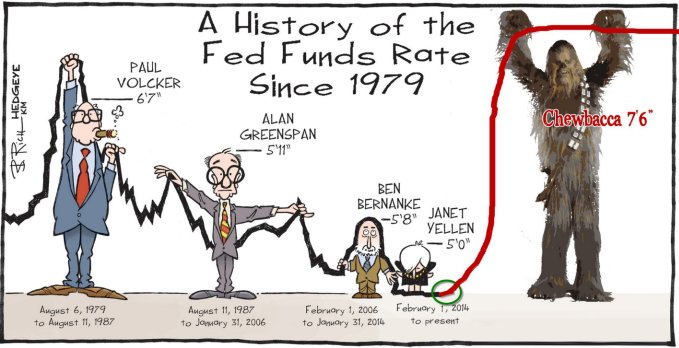
10 dias da morte de Volcker. O maior dos economistas, o último dos falcões, o charutista convicto.

Fica a charge pra driblar o luto (saiu do twitter.com/Hedgeye):

Imagem

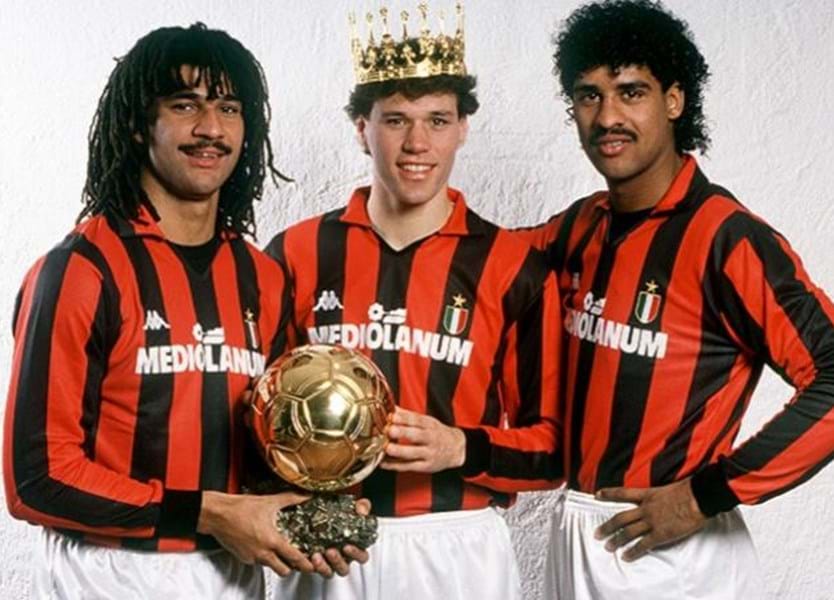
Fundos de investimentos futebolísticos - 2º tempo: Milan&Elliot

O Milan do trio holandês Van Basten&Gullit&Rijkard (vide abaixo, trajados de rossonero) todo mundo que teve um mínimo de contato com...